Stay Ahead of Feline Kidney Disease! Recognize the warning signs, know which foods to eat and avoid, and discover tips to keep your cat’s kidneys healthy.
Posted Date: 12/12/2568
Stay Ahead of Feline Kidney Disease!
Warning Signs, Foods to Eat and Avoid, and Tips to Keep Your Cat’s Kidneys Healthy | Okiko
Kidney disease is a serious and common health problem in cats, especially senior cats. Statistics show that more than one in three cats may experience kidney failure at some point in their lives. Proper kidney care is therefore essential and should never be overlooked.
This article covers the causes of kidney disease in cats, early warning signs, appropriate nutrition, and preventive approaches to help cat owners extend their pet’s lifespan and provide the best possible quality of life for their beloved companions.
What Is Kidney Disease in Cats, and Why Are Cats at Risk?
The kidneys play a vital role in filtering waste products, regulating fluid balance, and maintaining mineral levels in the body. When the kidneys are damaged—due to infections, toxins, or age-related degeneration—their ability to function declines, leading to kidney disease or kidney failure.
Cats are particularly prone to kidney disease because they evolved to survive in low-water environments. Their bodies are highly efficient at reabsorbing water, resulting in concentrated urine and continuous strain on the kidneys. Chronic dehydration and improper nutrition—such as diets high in sodium or phosphorus—can significantly accelerate kidney damage over time.
Types of Kidney Disease in Cats
Kidney disease in cats is generally divided into two main types:
Acute Kidney Failure
Occurs suddenly and severely, often due to toxin exposure or serious infections. If treated promptly, kidney function may recover.
Chronic Kidney Disease (CKD)
More common and progressive, caused by long-term degeneration of kidney tissue. Although irreversible, progression can be slowed and symptoms managed to maintain quality of life.
Early Warning Signs of Kidney Disease in Cats
Chronic kidney disease often shows few obvious symptoms until significant damage has occurred. Recognizing early signs is crucial. If you suspect your cat may have kidney disease, watch for the following warning signs:
Increased thirst and urination
One of the earliest and most noticeable signs. The kidneys lose their ability to conserve water, causing cats to drink more and produce larger volumes of dilute urine.
Loss of appetite and weight loss
Cats with impaired kidney function may experience nausea, vomiting, and abdominal discomfort due to toxin buildup, leading to reduced appetite.
Vomiting and diarrhea
Accumulation of urea toxins in the bloodstream (uremia) can irritate the digestive system.
Lethargy and weakness
Elevated waste levels in the blood cause fatigue, reduced activity, and sluggish behavior.
Poor coat and skin condition
Dry, rough fur and poor grooming are often linked to dehydration and overall weakness.
Unusually strong bad breath
High urea levels can cause breath that smells like ammonia or sour odors.
If any of these symptoms appear, seek veterinary care immediately. Early diagnosis through blood and urine tests greatly improves disease management.
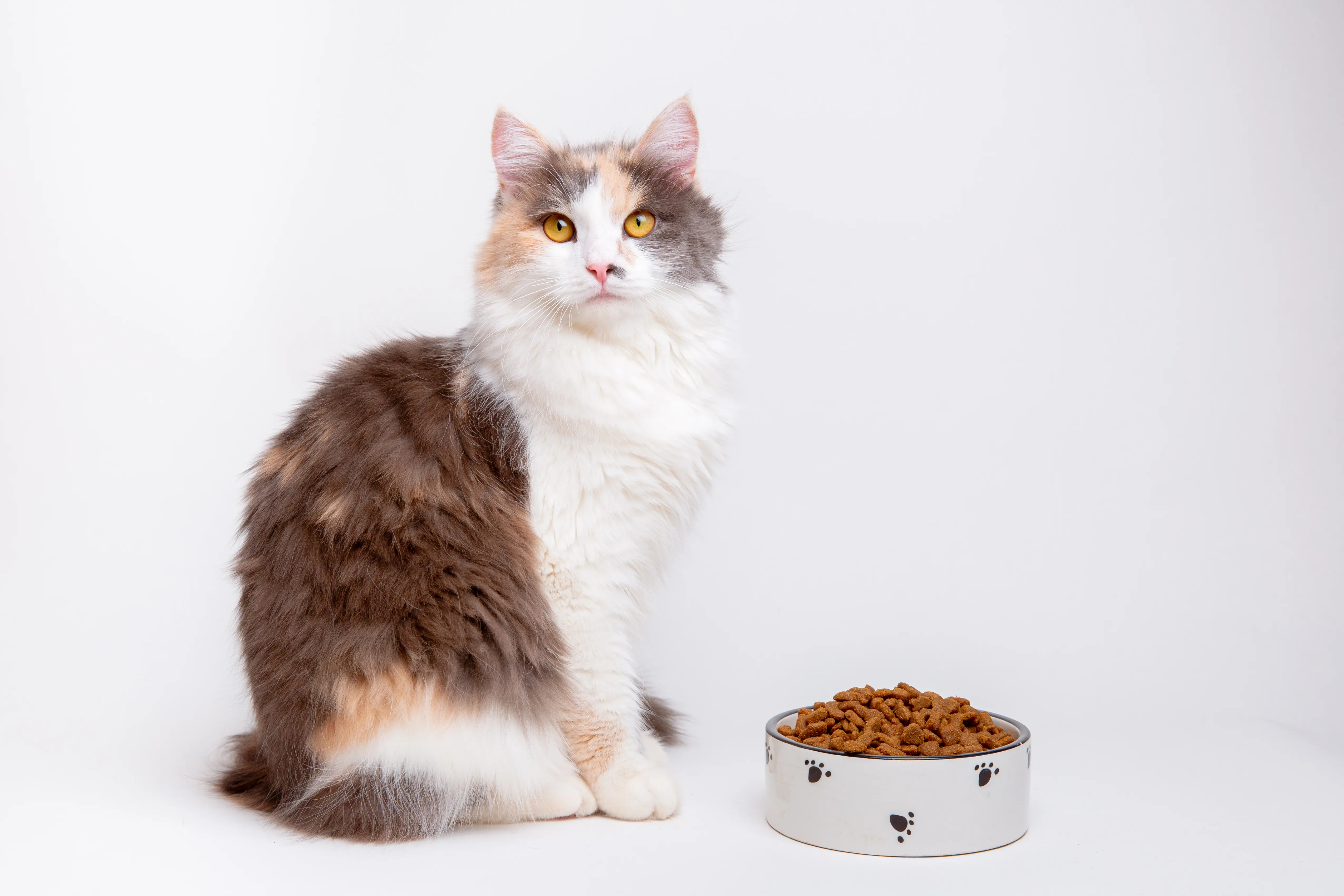
How to Choose Cat Food to Support Kidney Health
Dietary management is the cornerstone of kidney health—both for cats with kidney disease and for prevention in healthy cats. Choosing the right nutrition early is one of the best long-term investments in your cat’s health.
Key Nutritional Factors for Kidney Health
Controlled sodium levels
High sodium forces the kidneys to work harder. Choosing food with controlled sodium content is essential for kidney protection.
High-quality protein
Easily digestible, high-quality protein reduces the amount of waste the kidneys must filter.
Omega-3 fatty acids
Found in salmon oil, omega-3s help reduce kidney inflammation and slow degeneration.
High moisture content
Wet food provides essential hydration, which is critical for optimal kidney function.
OKIKO dry cat food is designed to support kidney health at every life stage. All formulas feature controlled sodium levels, high-quality animal protein, and omega-3 fatty acids from salmon oil to help protect the kidneys and reduce inflammation.
In addition, OKIKO wet cat food is an excellent way to increase hydration. All OKIKO wet food formulas contain no added salt and provide high moisture content, helping cats stay well-hydrated and reducing kidney workload.
Foods to Avoid to Protect Your Cat’s Kidneys
To minimize kidney strain and reduce future disease risk, avoid feeding your cat:
High-sodium foods
Seasoned human food, snacks, processed meats, and salty treats significantly increase kidney stress.
Excessive phosphorus
Even healthy cats should consume balanced phosphorus levels. Excess phosphorus accelerates kidney damage in cats with kidney disease.
Unbalanced diets
Feeding large amounts of raw meat or fish without proper balance may lead to mineral overload, negatively affecting kidney function.
Providing moisture-rich food and strictly controlling salt intake is one of the most effective ways to support feline kidney health.
Conclusion
Protecting your cat’s kidney health requires awareness, early detection, and proper nutrition. Regular observation of symptoms, routine veterinary checkups, and timely intervention can significantly improve outcomes. Most importantly, choosing kidney-friendly cat food—featuring high-quality protein, controlled sodium levels, and omega-3 fatty acids—plays a critical role in prevention and care.
Products designed with sodium control in mind, such as OKIKO dry cat food and OKIKO wet cat food (with no added salt), offer a smart and responsible choice. These foods help reduce kidney strain, promote proper hydration, and support long-term kidney health—allowing your beloved cat to enjoy a longer, healthier, and happier life.


related blog



Shop Available Now
let’s shop




Shop Available Now
let’s shop